

Can Your Design Be Manufactured?
Review construction, craftsmanship and production feasibility before prototype development.
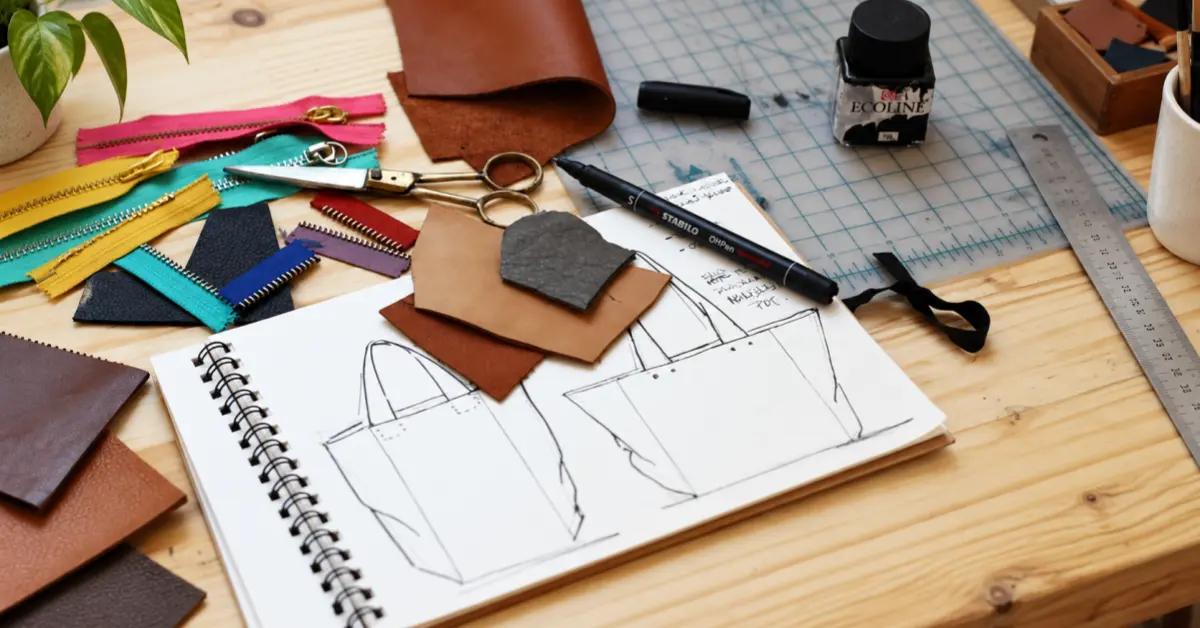
Bagsrain helps emerging handbag brands evaluate design feasibility, material direction, cost structure and manufacturing requirements before moving into sampling.
Review construction, craftsmanship and production feasibility before prototype development.
Balance materials, hardware and manufacturing complexity with commercial goals.
Confirm product positioning, customer expectations and collection direction.
Create a foundation for future products and repeat production.
Before prototype development, we connect market positioning, product feasibility, materials, cost and production requirements into one clear development direction. The purpose is not to redesign your idea, but to reduce avoidable revisions and make the first sample more commercially and technically meaningful.
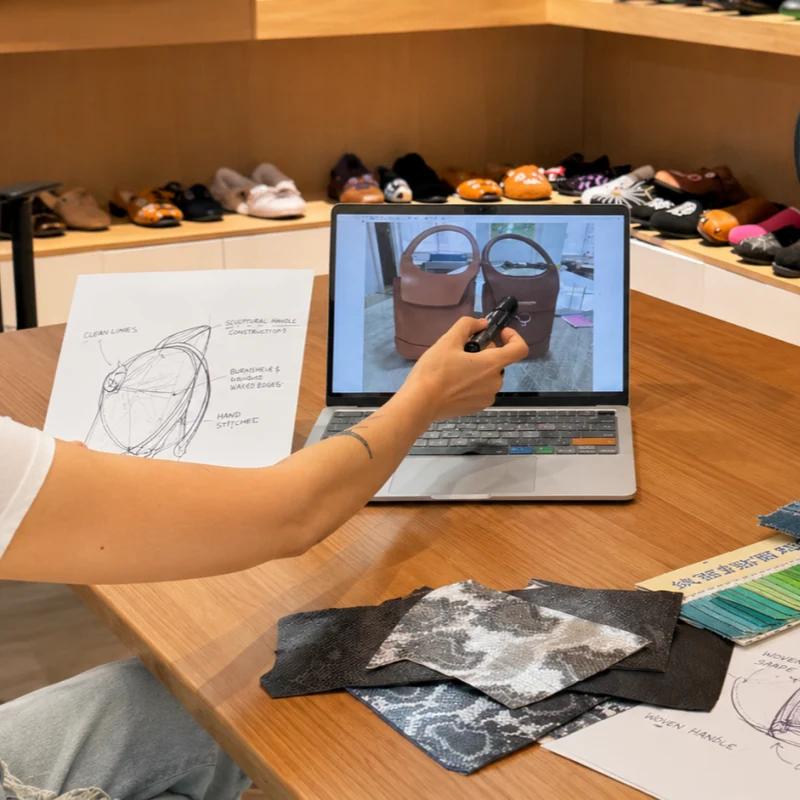
We review your target customer, sales channel, price positioning and product goals so development starts from a commercially relevant direction.
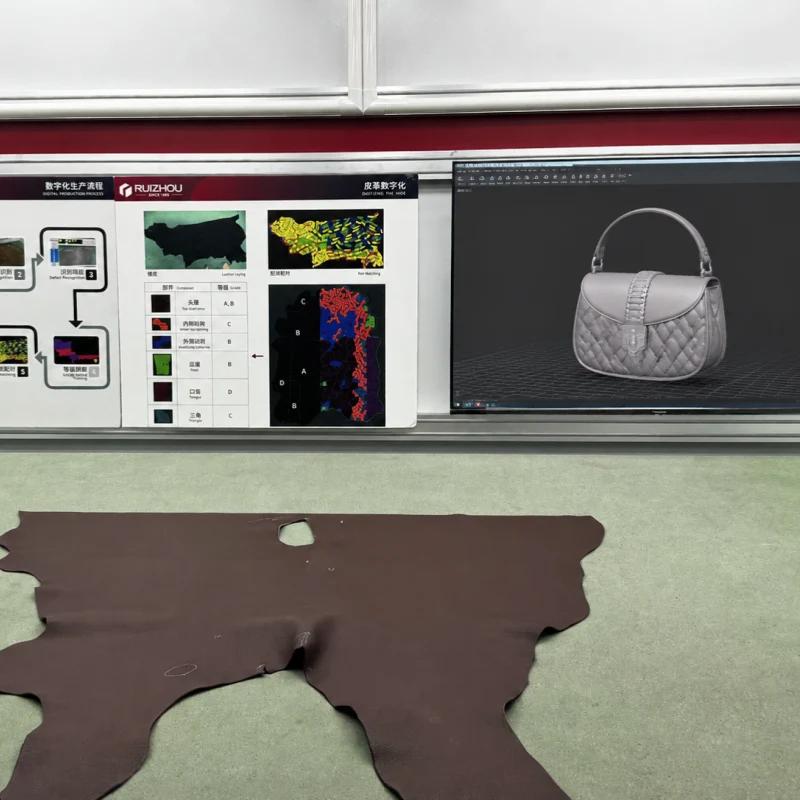
We assess proportions, structure, closures, internal construction, stitching, edge finishing and critical hardware placement before physical sampling.
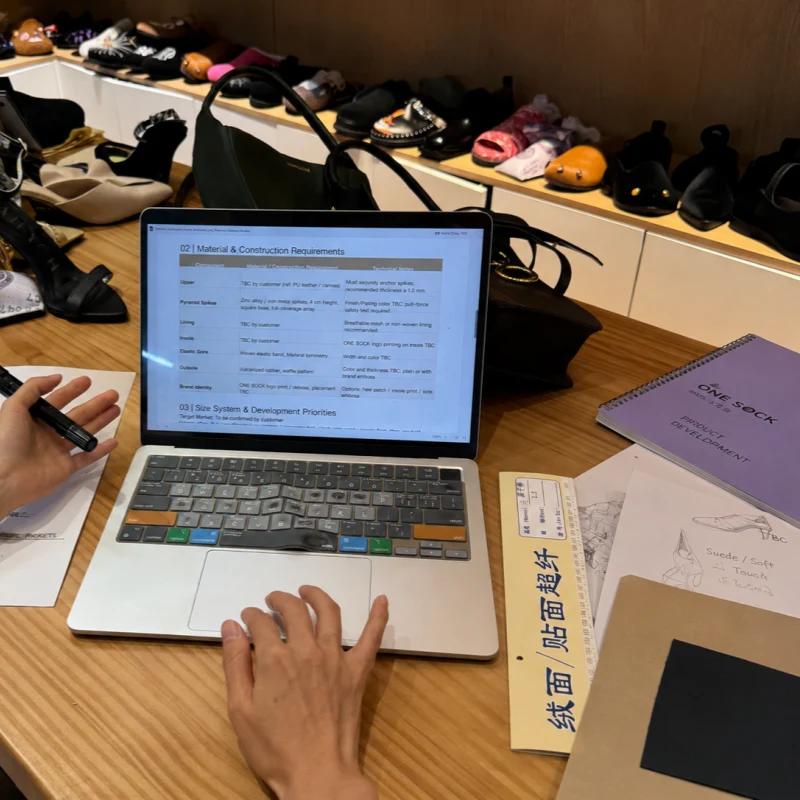
Leather, fabrics, linings, trims, zippers and custom hardware are evaluated against quality expectations, brand positioning and target manufacturing cost.
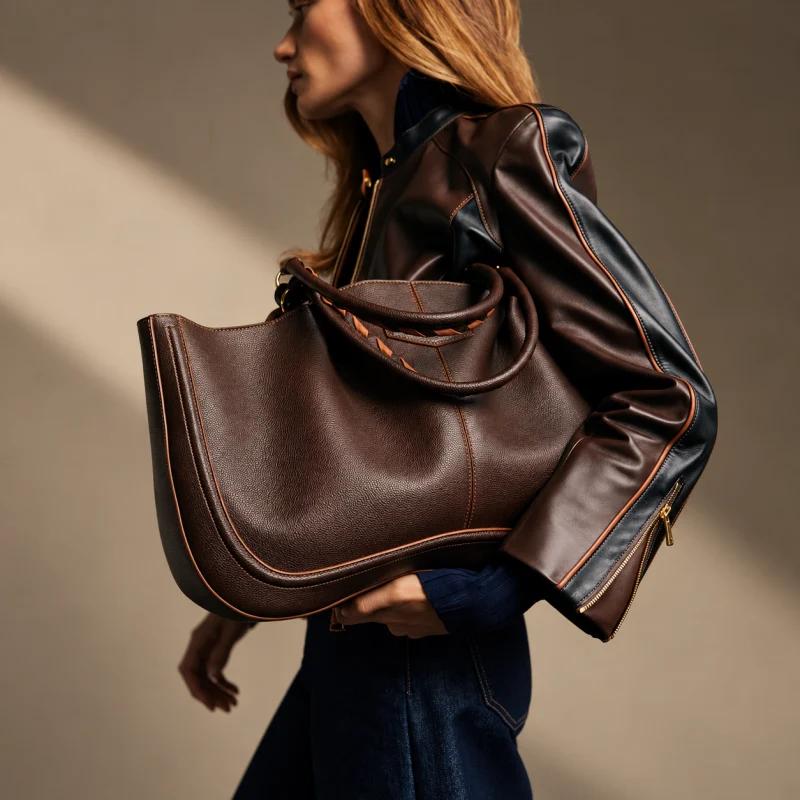
We consider manufacturing complexity, MOQ, production consistency and future collection potential, then define the practical next step toward sampling.
Positioning analysis and development recommendations.
Material, hardware and craftsmanship guidance.
A practical roadmap before prototype development.
Identify potential issues before investment.
Your sketches, concepts and product ideas remain your brand assets. Bagsrain supports NDA agreements and controlled development communication.
The client had a distinctive visual idea: a sculptural horn-inspired handle, structured bag architecture and statement hair-on material. The key question was not simply whether one bag could be made, but whether the design language could support multiple sizes, materials and future collection extensions without losing brand recognition.
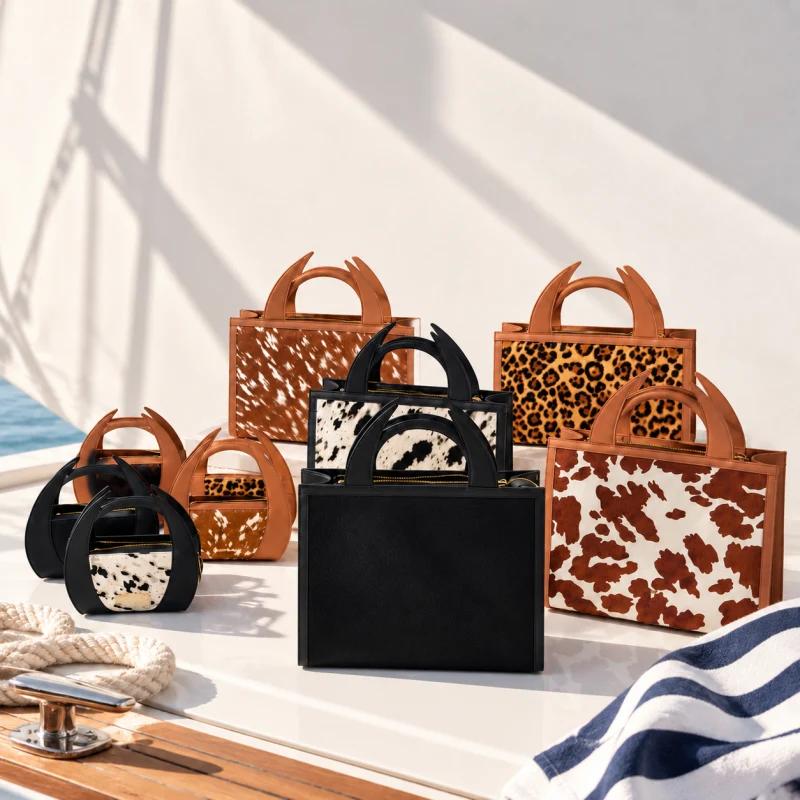
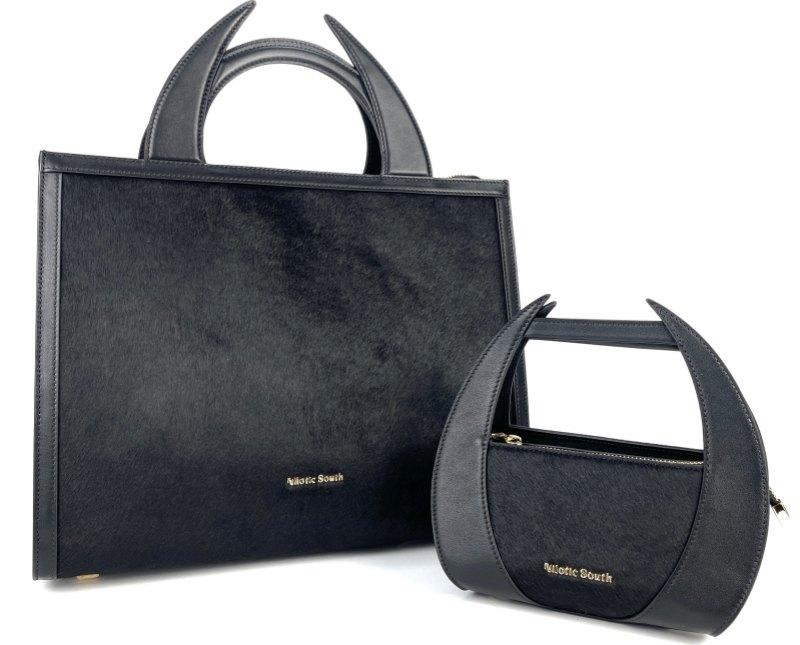
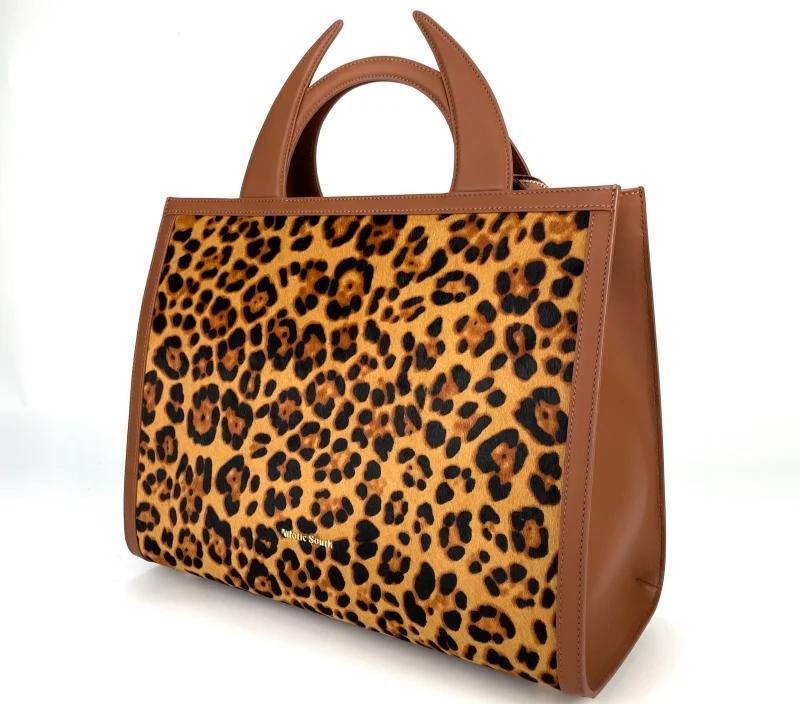
The client had a distinctive bag concept. We identified the design elements that should remain fixed so one statement piece could scale into a repeatable collection system.
The horn-inspired handle, structured silhouette and restrained logo placement were fixed as the collection’s visual codes.
The concept expanded into 2 coordinated silhouettes—a larger structured tote and a compact handbag—while preserving one visual identity.
The architecture was tested across 4+ material/color directions, including black, leopard and cow-pattern executions, without changing the core design language.
The project moved forward with a clearer product hierarchy: one recognizable signature handle system, two coordinated bag scales and multiple controlled material directions. The value of the validation stage was not simply producing more samples; it was establishing a repeatable product logic that could guide sampling, assortment planning and future collection expansion with less design uncertainty.
Quantities above describe the development evidence visible in this customer project and the supplied workshop images; no sales or market-performance figures are claimed.
It reduces development risks and confirms product direction.
Yes. We review design, materials and manufacturing feasibility.
Yes. We support brands from early concepts to production.
Share sketches, references, target market and product goals.
Yes. We provide material and construction guidance.
Yes. Hardware solutions can be evaluated during development.
The project can move into transparent sample development.
NDA support is available before sharing confidential information.
Share your concept and create a clearer path toward your first handbag sample.